Essential Safety Habits for Traveling in Crowded Urban Areas
Traveling through crowded urban areas presents a unique set of challenges. Dense populations, unfamiliar environments, and the constant movement of people create situations where risks such as pickpocketing, scams, and sudden protests can emerge. Understanding how to navigate these environments with a calm and methodical approach helps travelers maintain a sense of control without relying on fear or assumptions. This article outlines practical daily habits that can be integrated into any travel routine, focusing on awareness, preparation, and measured responses.
The goal is not to eliminate all possible risks—that is rarely possible—but to reduce the likelihood of encountering difficulties and to handle them effectively if they do arise. By adopting a few consistent practices, travelers can move through busy streets and transit hubs with greater confidence and clarity.
Developing Situational Awareness
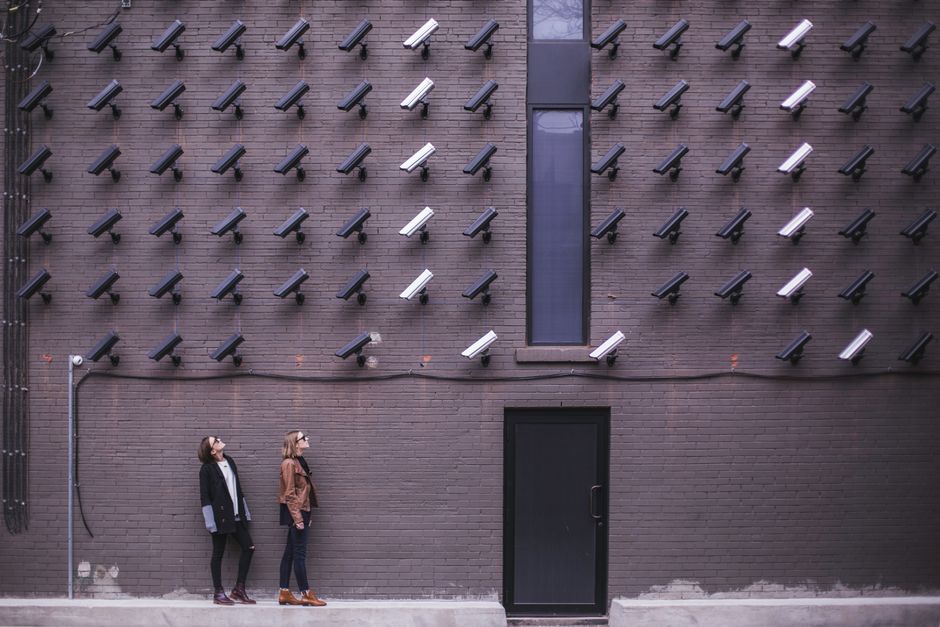
Situational awareness is the foundation of personal safety in crowded environments. It involves continuously observing the surroundings without becoming hypervigilant or anxious. A useful approach is the OODA loop—Observe, Orient, Decide, Act—which encourages a cycle of attention and response rather than a static state of alertness. Travelers can practice this by periodically scanning the area, noting exits, identifying potential obstacles, and observing the behavior of people nearby.
For example, in a busy market or train station, a traveler might notice someone moving against the flow of the crowd or lingering too close. Recognizing these patterns early allows for small adjustments, such as stepping aside or changing direction. This practice does not guarantee protection but increases the window of time available to make a decision. It is important to balance awareness with engagement; constant hypervigilance can be exhausting and counterproductive. Instead, brief checks every few minutes during high-density moments are sufficient.
Another aspect of situational awareness is understanding the cultural and social norms of the area. In some cities, direct eye contact may be interpreted differently, or certain gestures could be misread. Researching local customs before traveling provides context that helps interpret behavior accurately. WanderGuide offers destination-specific tips that address these nuances, but travelers should also rely on their own observations and common sense.
Securing Personal Belongings
Pickpocketing is one of the most common risks in crowded urban areas. The approach to securing belongings should be layered: using multiple methods to make access more difficult rather than relying on a single solution. A money belt or hidden pouch worn under clothing provides a secure place for passports, large bills, and credit cards. For items that need frequent access, such as a phone or transit card, a front pocket with a zipper or a cross-body bag worn in front offers reasonable protection.
While these measures reduce vulnerability, they do not eliminate the possibility of theft. Crowds create opportunities for distraction and misdirection. For instance, a common technique involves one person creating a commotion while an accomplice reaches into an open bag. Travelers can counter this by keeping bags closed and zipped, avoiding hanging items from chairs, and holding bags in front when standing in lines or on escalators. It is also wise to minimize the number of valuable items carried each day. Leaving unnecessary documents and expensive jewelry in a hotel safe reduces the potential loss.
Electronic devices require special attention. Smartphones are frequent targets because they are easily visible and quickly resold. Using a wrist strap or a phone lanyard adds a physical deterrent, and enabling remote tracking or lock functions provides a layer of digital security. However, relying solely on technology is not sufficient; consistent physical vigilance remains essential.
Navigating Crowds and Public Transport
Moving through dense crowds, especially during rush hours or at major events, requires a different mindset than walking on uncrowded streets. One effective habit is to maintain a steady pace and avoid sudden stops, which can cause collisions and create openings for opportunistic theft. Travelers can position themselves near walls or pillars in train stations, where there is less foot traffic, rather than in the center of platforms. On public transport, sitting with a bag on the lap rather than on an adjacent seat reduces exposure.
When protests or large gatherings occur unexpectedly, the priority is to move away from the epicenter calmly. Observing the direction of the crowd and avoiding dead ends or blocked routes helps maintain options. If a situation escalates, following the instructions of local authorities and staying with a group can be beneficial, though individual judgment is paramount. It is not advisable to photograph or film such events unless one is certain it is safe and legal; doing so can draw unwanted attention or be misinterpreted.
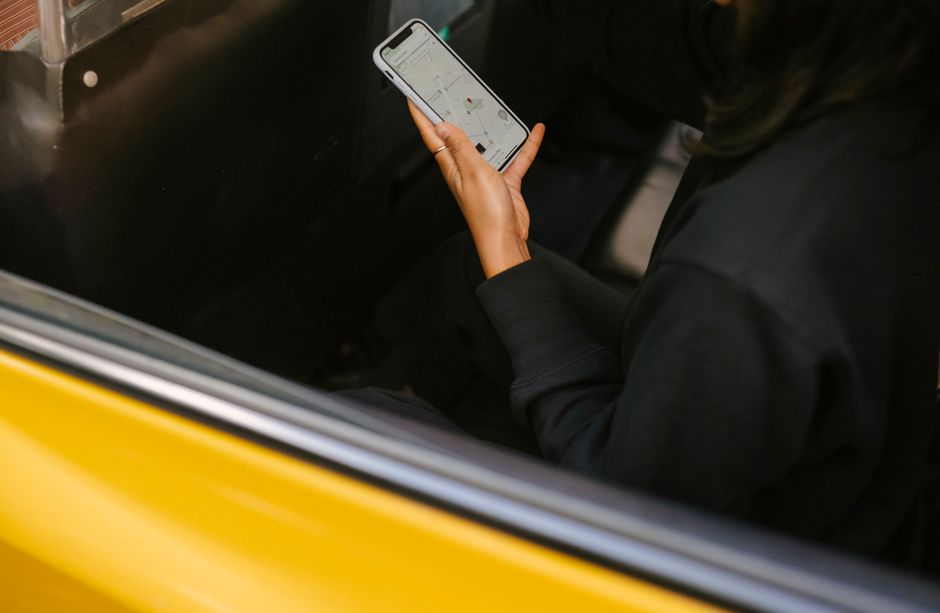
Using ride-sharing services or taxis requires its own set of habits. Verifying the license plate and driver identity before entering, sharing the trip route with a trusted contact, and sitting in the back seat are standard practices. In some cities, unofficial taxis pose higher risks, so using reputable apps or official taxi stands is recommended. Again, these steps reduce risk but do not guarantee a completely safe journey.
Recognizing and Responding to Scams
Scams in urban areas often rely on exploiting trust, confusion, or sympathy. Common examples include the dropped item trick, where someone drops something and expects the traveler to pick it up while an accomplice steals from them, or the fake petition scam, where a person distracts with a clipboard. The most effective habit is to be aware of these patterns without becoming suspicious of every interaction. A balanced approach involves being polite but firm in declining unsolicited offers, games, or requests for money.
If approached by someone claiming to be a plainclothes police officer asking to see identification or money, a traveler can politely ask to see a real badge and suggest walking to a nearby police station. Legitimate officers will accommodate such requests; scammers typically retreat. It is not necessary to avoid all conversation with locals—many people are genuinely helpful—but being aware that scams exist is a useful baseline.
When a scam unfolds despite awareness, the best response is to disengage and move toward a busy area or a store. Arguing or confronting may escalate the situation. Travelers should prioritize their physical safety over protecting belongings. After an incident, reporting it to local tourism police or via a travel safety app can help others, though outcomes are not always guaranteed.
Handling Unexpected Protests or Civil Unrest
Protests can occur suddenly in many cities, even in areas that are normally stable. The key habit is to stay informed about local news and social media channels that report on planned gatherings. Upon arrival, checking local updates for the duration of the stay provides context for what might happen. However, not all protests can be predicted, so having a contingency plan is valuable.
If caught in the vicinity of a protest, the first step is to assess the situation without assuming it is dangerous. Many demonstrations are peaceful, but the presence of counter-protesters or police can change the dynamics. Moving perpendicular to the direction of the crowd, rather than against or with it, often offers a safer exit. Seeking shelter in a store, hotel lobby, or restaurant until the crowd disperses is a valid tactic. Travelers should avoid taking photos or videos that might be misinterpreted, and they should not attempt to cross police lines.
Communication with family or travel companions is crucial. Having a preset meeting point outside the affected area helps reunite a group if separated. Electronic devices may lose signal during large gatherings, so carrying a small notepad with emergency contacts can be a useful backup. After leaving the area, it is wise to remain updated on further developments before proceeding with the day’s plans.
Integrating Safety Habits into Daily Travel
Adopting these habits does not require a complete overhaul of one’s travel style. Small, consistent actions—checking the surroundings, securing belongings, planning routes—can become second nature after a few days. The most sustainable approach is to view safety as an ongoing process rather than a checklist to complete before stepping out the door. For instance, reviewing the day’s itinerary each morning, noting emergency numbers, and confirming the location of the nearest embassy or consulate are simple steps that take little time but provide a framework for decision-making.
Travelers who practice these habits often find that they also improve the overall experience. Being more aware leads to noticing details about the city that might otherwise be missed, and feeling prepared reduces stress, allowing for greater enjoyment of the journey. Safety, in this sense, is not a burden but an integral part of a well-rounded travel experience. WanderGuide encourages travelers to explore confidently by combining preparation with an open, curious mindset.