Ten Effective Ways to Save Money on Accommodation Abroad
Finding affordable accommodation while traveling internationally can often feel like a balancing act between cost and comfort. Many travelers assume that lower prices automatically mean cramped spaces, shared bathrooms, or inconvenient locations. However, a range of options exists that can reduce expenses while still providing a pleasant and secure place to stay. Understanding the landscape of lodging choices and how each one works can make a significant difference in planning a trip that fits both the itinerary and the budget.
The key to saving money on accommodation abroad is not simply choosing the cheapest listing available, but rather evaluating the trade-offs between price, location, amenities, and the type of experience each option offers. Some methods require more advance planning or a willingness to trade privacy for social interaction, while others involve offering services in exchange for free stays. Each approach has its own set of considerations, and the best choice depends on individual travel style, duration of stay, and personal preferences.
Below is an overview of ten practical strategies that travelers commonly use to lower their accommodation expenses. These methods range from well-known hostel arrangements to less familiar house-sitting arrangements, and each is explained in terms of how it works, what to expect, and what factors to weigh before committing.
Hostels and Dormitory-Style Accommodations
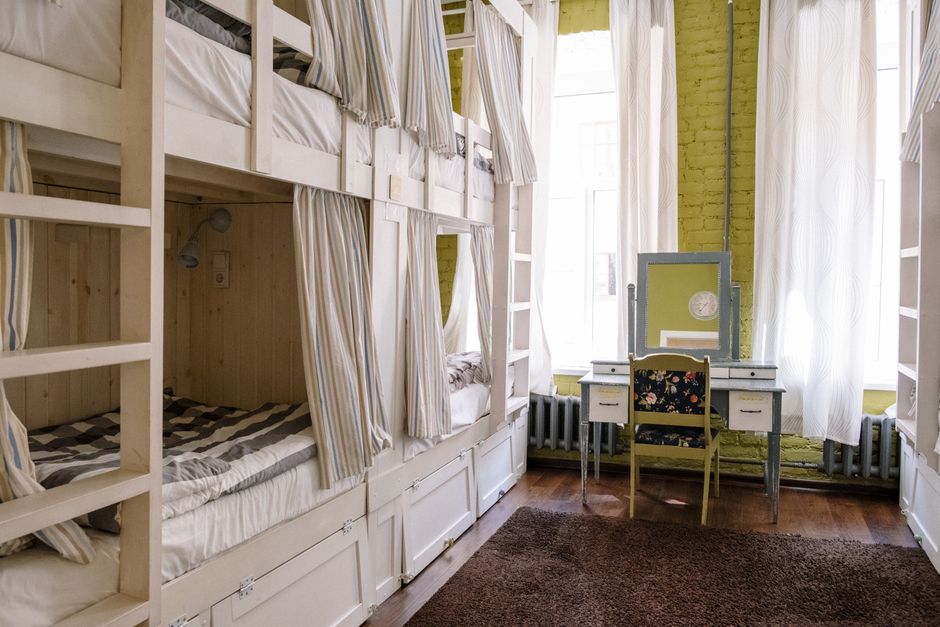
Hostels remain one of the most recognizable options for budget-conscious travelers. They typically offer shared dormitory rooms with bunk beds, communal kitchens, and common areas where guests can socialize. The cost per night is often significantly lower than a private hotel room, especially in popular tourist destinations. Many hostels now also provide private rooms for those who prefer more privacy while still staying within the same facility. When selecting a hostel, factors such as cleanliness, security, and the quality of common facilities can vary widely, so reading recent reviews from other guests is a useful step.
Beyond the basic price, hostels can help reduce overall trip costs through shared amenities. Having access to a kitchen allows travelers to prepare some meals rather than eating out for every meal. In addition, many hostels organize free walking tours, pub crawls, or city orientation sessions that can provide low-cost entertainment and local knowledge. For travelers who value social interaction and meeting other people, hostels can be both a cost-saving and enriching experience. However, noise levels and limited personal space are common challenges that should be considered before booking.
House-Sitting and Pet Sitting
House-sitting is an arrangement in which a traveler stays in a homeowner’s property for free in exchange for taking care of the house, and often pets, while the owner is away. This option can provide a full home with kitchen, laundry, and living space at no accommodation cost. Platforms that connect homeowners with sitters have grown in popularity, and many require a membership fee or a background check to ensure reliability. The responsibilities vary: some assignments involve simply keeping the house secure and collecting mail, while others include feeding and walking pets daily.
Because house-sitting typically involves longer stays—often a week or more—it works well for travelers who have flexible schedules or who plan to spend an extended period in one location. The main requirement is a high level of trust and responsibility. Homeowners rely on the sitter to maintain the property and care for animals. In return, the traveler gains privacy, comfort, and a local living experience. It is important to communicate clearly about expectations, emergency procedures, and any specific tasks before agreeing to a sit.
Homestays and Room Rentals
Renting a room in someone’s home through platforms or local listings can offer a middle ground between a hostel and a hotel. Homestays often include access to shared living spaces and sometimes meals, providing a more immersive cultural experience. The cost is usually lower than a hotel but higher than a hostel dorm, depending on the location and included services. Travelers who prefer a quieter environment with opportunities to interact with locals may find homestays particularly appealing.
When evaluating a homestay, it is helpful to confirm what is included: Wi-Fi, laundry, use of the kitchen, and any house rules regarding guests or quiet hours. Some hosts offer to guide guests around the neighborhood or share tips about local attractions, which can enhance the trip without additional expense. As with any accommodation arranged directly with a host, reading reviews and verifying the property through trusted platforms can reduce the risk of misunderstandings.
Short-Term Apartment Rentals
Renting an entire apartment or house for a short period is another method that can lower per-night costs, especially for groups or families. By splitting the total price among several people, the individual cost may drop below that of multiple hotel rooms. Apartments with kitchens also allow for meal preparation, which can further reduce daily expenses. Many travelers find that having a private space with amenities like a washing machine and a living area adds convenience during longer trips.
However, short-term rentals may come with cleaning fees, service charges, and deposit requirements that increase the total cost. It is essential to read the listing details carefully and compare the final price with alternative options. Location also matters: apartments a bit farther from tourist centers may be significantly cheaper, and public transportation can make them still accessible. Checking cancellation policies and landlord reviews helps ensure a smooth experience.
Work Exchanges and Volunteering
Work exchange programs allow travelers to offer a few hours of work each day in exchange for free accommodation and sometimes meals. Common tasks include helping at a hostel, farm, hostel, or small business. Examples include working at a reception desk, gardening, teaching a language, or assisting with maintenance. The hours are typically four to five per day, leaving the rest of the time free for exploration.
This arrangement can be particularly beneficial for long-term travelers who want to stretch their budget while gaining meaningful experiences. The work itself often provides a chance to learn new skills or connect with locals. Platforms such as Workaway, WWOOF, and HelpX facilitate these connections, but travelers should research the host thoroughly and clarify expectations about working hours, days off, and living conditions before committing. While work exchanges are generally safe, it is wise to have a backup plan in case the situation does not meet expectations.
Long-Term Stay Discounts
Many hotels, hostels, and apartment rentals offer reduced rates for extended stays. A traveler planning to remain in one location for a week or more can often negotiate a lower weekly or monthly rate directly with the property. This approach is common in serviced apartments and some independent hotels. Even large booking platforms sometimes have a “long stay” filter that shows discounted prices for longer bookings.
To take advantage of these discounts, it helps to contact the property directly rather than relying solely on online booking systems. Explaining the intended length of stay and asking if a better rate is available can often yield savings. Additionally, some properties include free cleaning services or utility costs in the long-term price, which can further reduce expenses. This method requires flexibility and advance planning but can significantly lower the average nightly cost.
Each of these strategies comes with distinct trade-offs in terms of privacy, commitment, and required research. Travelers are encouraged to consider their own priorities—such as location, duration, and desired level of interaction—when choosing among them. By approaching accommodation decisions with an understanding of what each option entails, it becomes possible to find affordable solutions that support a rewarding travel experience without unnecessary financial strain.