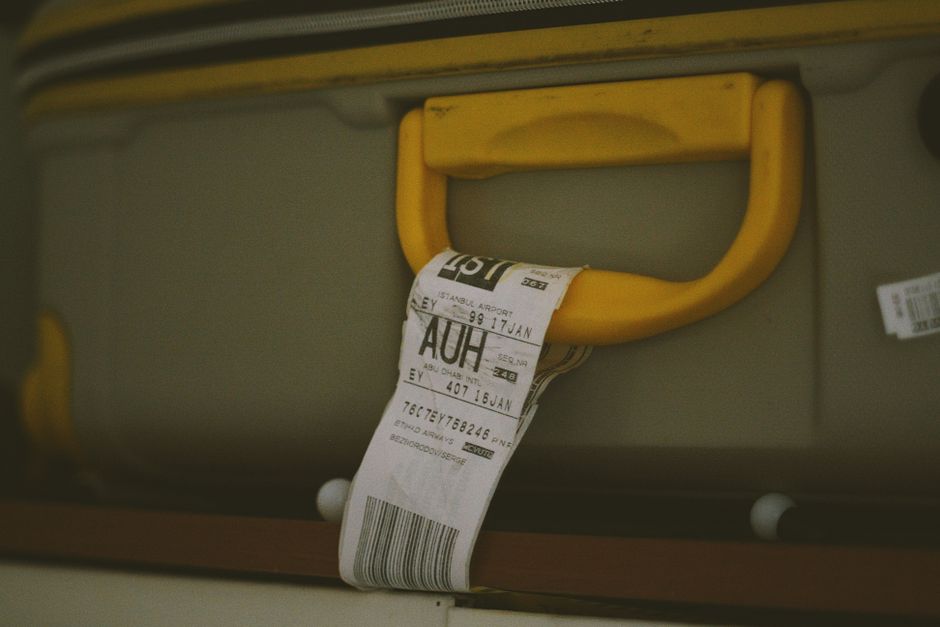
When a connecting flight arrives and your checked baggage does not appear on the carousel, the initial reaction can be one of frustration and worry. This situation, while inconvenient, follows predictable procedures that passengers can navigate with a clear understanding of the steps involved. Lost or delayed baggage during a connection is a known operational challenge that airlines handle through standardized systems. Knowing what to do immediately after noticing the absence of your luggage can significantly reduce the time needed to recover it.
The process begins the moment you realize your bag has not arrived. Many travelers assume their luggage is simply delayed on the next flight, but even in that scenario, formal reporting is necessary to initiate tracking. Airlines have dedicated teams and digital platforms designed to locate and reunite bags with their owners. This guide outlines the sequence of actions from the airport arrival area through to the eventual return of your belongings, emphasizing the importance of documentation, communication, and patience. WanderGuide recommends familiarizing yourself with these procedures before travel to reduce stress should the need arise.
Baggage mishandling during connections can occur for various reasons: short transfer times, misrouting, weight restrictions, or system errors. Regardless of the cause, the responsibility for resolving the issue rests with the airline that operated the flight where the bag was last checked. Understanding this principle helps passengers direct their efforts to the correct personnel and follow the appropriate channels.
Immediate Steps at the Airport
As soon as you realize your baggage is missing, remain at the baggage claim area and locate the airline’s baggage service office. This office is typically situated near the carousels or in the arrivals hall. Do not leave the airport without reporting the issue, because the airline needs a physical presence to initiate the report. The staff will ask for your baggage claim tag, which was attached to your boarding pass or given at check-in. If you no longer have the tag, the agent can still locate your bag using your name, flight details, and itinerary.
When speaking with the agent, provide a detailed description of your luggage, including color, size, brand, and any distinguishing features such as stickers or straps. If possible, show a photo of the bag on your phone. This information helps the airline identify your bag among thousands in their system. The agent will then create a file known as a Property Irregularity Report (PIR), which contains a unique reference number. Write this number down or save it in your phone. Without this number, tracking becomes significantly more difficult.
While at the airport, ask the agent about the typical timeline for locating bags at that station. Some airports have on-site baggage tracing teams that can search the connecting flight’s bags within hours. In other cases, the search may involve multiple transfer points. The agent can also inform you whether your bag is still being tracked as being on the connecting flight or if it has been scanned at the destination. This initial conversation provides the foundation for all subsequent follow-up.
Filing a Property Irregularity Report (PIR)
The Property Irregularity Report is the official document that records the loss or delay of your checked luggage. It serves as the airline’s internal record and as your proof of claim. The report must be completed before leaving the terminal, though many airlines now offer online portals where passengers can verify and update information after the fact. The PIR includes your contact details, travel itinerary, bag description, and the locations where the bag was checked and last seen.
Accuracy is essential when filling out the PIR. Every piece of information should match your records. If you have connecting flights with different airlines, the bag may have been transferred between carriers. The airline that issues the PIR becomes the responsible party for the entire journey, even if the mishandling occurred on a partner airline. If the bag was checked through to the final destination, the delivering airline takes responsibility. Confirm with the agent which airline is handling your report.
The PIR also includes a section for declaring the contents of your luggage. While you do not need to list every item, you should note any valuable or essential belongings such as medication, electronics, documents, or jewelry. Airlines typically limit liability for lost or damaged contents, but declaring high-value items in advance may influence the compensation process if the bag is not recovered. Keep a copy of the PIR for your own records and note the claim number for future reference.
After filing the report, the airline will provide you with a tracking link or a phone number to check the status. Some airlines allow you to set up automatic notifications via text or email. If your bag is located at a different airport, the airline will arrange its delivery to your address free of charge. Delivery might take several days depending on the location and the airline’s procedures.
Tracking Your Bag and Following Up
Once the PIR is filed, the airline’s baggage tracing team begins searching for your bag. They use the World Tracer system, a global database used by most airlines to track mishandled baggage. This system updates whenever a bag is scanned at a new location. You can check the status online using the reference number from your PIR. Some airlines offer real-time updates, while others require you to log in manually.
Follow-up is a critical part of the process. If you do not see any progress after 24 to 48 hours, contact the airline’s baggage service hotline. Provide your claim number and ask for a detailed status update. The agent may inform you that the bag is being held at another airport awaiting transport, or that it has been located but requires a later flight. Persistence is important, but patience is equally necessary because the search relies on shipping schedules and staff availability.
If you are staying at a temporary address, such as a hotel or a friend’s house, make sure the airline has the correct delivery address. Many airlines will deliver the bag to your accommodation, but they may require a signature upon arrival. Keep your phone accessible and respond to any messages from the airline quickly. In some cases, the bag may arrive at your address without prior notification, so it is advisable to have someone available to receive it if you are not present.
Compensation and Liability Limits
Airlines are subject to international agreements that define their liability for lost, delayed, or damaged baggage. For international flights, the Montreal Convention sets a maximum limit for compensation, typically around 1,288 Special Drawing Rights (SDRs) per passenger, which is roughly equivalent to 1,700 USD depending on current exchange rates. Domestic flights within the United States are governed by Department of Transportation regulations, and the liability limit is usually lower, often around 3,800 USD per passenger. These amounts cover the value of the bag and its contents, but only if the airline determines the bag is permanently lost.
If your bag is delayed, you may be eligible for reimbursement of essential items purchased while waiting. Most airlines offer a daily allowance for necessities such as clothing, toiletries, and medications. You must submit receipts to the airline’s baggage claim department. The amount and duration of coverage vary by carrier, so check the airline’s policy when filing your initial report. Keep all receipts and document your expenses meticulously.
For permanently lost luggage, the airline will ask you to fill out a claim form listing the contents and their estimated value. Supporting evidence such as receipts, photos, or credit card statements strengthens your claim. The airline may offer a settlement based on the declared value or the standard liability limit. It is important to understand that compensation does not cover sentimental value or consequential losses such as missed business opportunities. If you have travel insurance, that policy may provide additional coverage beyond what the airline offers.
Preventive Measures for Future Travel
While no system is foolproof, certain practices can reduce the likelihood of losing luggage during connecting flights and simplify recovery if it does happen. Always attach a durable luggage tag with your name, phone number, and email address. Inside the bag, place a similar identification card. Remove old destination tags from previous trips, as they can confuse scanning systems. If possible, book flights with longer connection times when traveling through busy hubs, especially if the airline uses the same airport for domestic and international transfers.
Consider packing essential items in your carry-on luggage: medications, a change of clothes, valuables, chargers, and any documents you may need immediately. This ensures that even if your checked bag is delayed, you have the basics to continue your trip. Some travelers also use GPS trackers inside their checked bags, which can help pinpoint the bag’s location independently of the airline’s system. These devices are small and relatively inexpensive, and they can provide peace of mind.
Finally, review the airline’s baggage policy before you travel. Know the allowed weight limits, restricted items, and any fees for checked bags. If you have a connecting flight with a different carrier, confirm that the bags will be transferred automatically. When checking in, ask the agent to verify that your bag is tagged to your final destination. These small checks at the start of your journey can prevent many of the common errors that lead to lost luggage.